+977-9845709925
 +91-8373993923
Most Chardham Yatra content online is written for pilgrims flying into Delhi. If you're travelling from Mahendranagar, Dhangadhi or anywhere in Sudurpaschim, the journey — and the smart way to plan it — looks quite different. Here's how we actually run this trip for our own passengers.
The Route From the Far-West
We cross into India at the Gadda Chauki (Banbasa) border, roughly 5 km from Mahendranagar, then travel via Haridwar toward the four dhams. Our standard 10-day circuit runs:
- Mahendranagar/Dhangadhi → Haridwar (evening Ganga Aarti at Har Ki Pauri)
- Haridwar → Yamunotri (Janki Chatti), with the trek to Yamunotri Temple
- Janki Chatti → Gangotri
- Gangotri → Uttarkashi
- Uttarkashi → Guptkashi
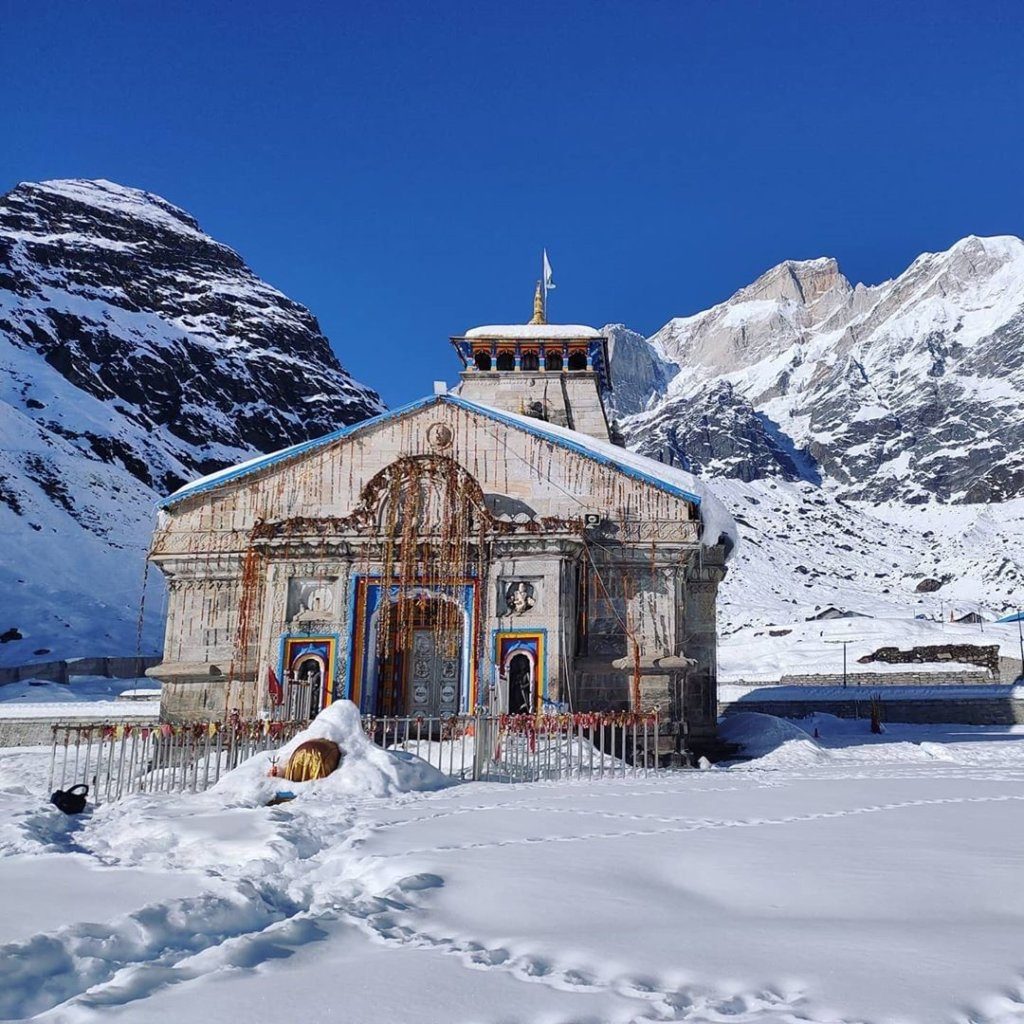
- Guptkashi → Kedarnath (via Sonprayag, trek or helicopter)
- Kedarnath → Rudraprayag
- Rudraprayag → Badrinath (via Joshimath and Mana village)
- Badrinath → Joshimath
- Joshimath → Haridwar / back to Mahendranagar
Border Crossing: What to Carry
Nepali citizens crossing at Gadda Chauki need a valid citizenship certificate; Indian nationals need a government photo ID; other nationalities should carry a passport and confirm current entry rules before travel, as these can change. We handle the paperwork side of group crossings, but everyone must carry their own original ID.
Group Pricing Reality
Char Dham costs scale sharply with group size because vehicle, driver and hotel costs are shared. As a guide, our 10-day package runs from roughly NPR 45,000 per person for a 16-person group up to roughly NPR 85,000 per person for a group of two — the same itinerary, same inclusions, just spread across more or fewer people. If cost matters most to you, joining or forming a larger group is the single biggest lever.
Kedarnath: Trek or Helicopter?
The trek from Sonprayag to Kedarnath is about 16 km one way and takes most pilgrims 6–8 hours; ponies and palkis are available for those who need them (at extra cost, arranged locally). A helicopter is faster and increasingly popular but subject to weather delays and needs booking well in advance during peak season (May–June, September–October).
Best Time to Go
The Char Dham temples open only from around late April/May to early November, closing for winter as the high-altitude routes snow in. May–June and September–October are the most comfortable windows, avoiding both peak monsoon rain and the coldest shoulder-season temperatures.
What's Usually Included
Our packages include AC vehicle transport, double/triple-sharing accommodation, daily veg breakfast and dinner, and all sightseeing per the itinerary. Not included: lunch, travel insurance, Kedarnath helicopter/pony charges if you choose them, temple entrance/special darshan fees, and personal expenses.
Cancellation & Payment
Because hotels and vehicles are booked well ahead for peak season, cancellations closer to departure carry higher charges — see our Refund & Cancellation Policy for the exact breakdown. A 25% advance secures your dates.
Full pricing tiers and the day-by-day itinerary are on our Chardham Yatra — 10 Days package page. We also run shorter Do Dham (Kedarnath & Badrinath only) trips for pilgrims short on time.